Epic FHIR Integration for Mobile Phlebotomy
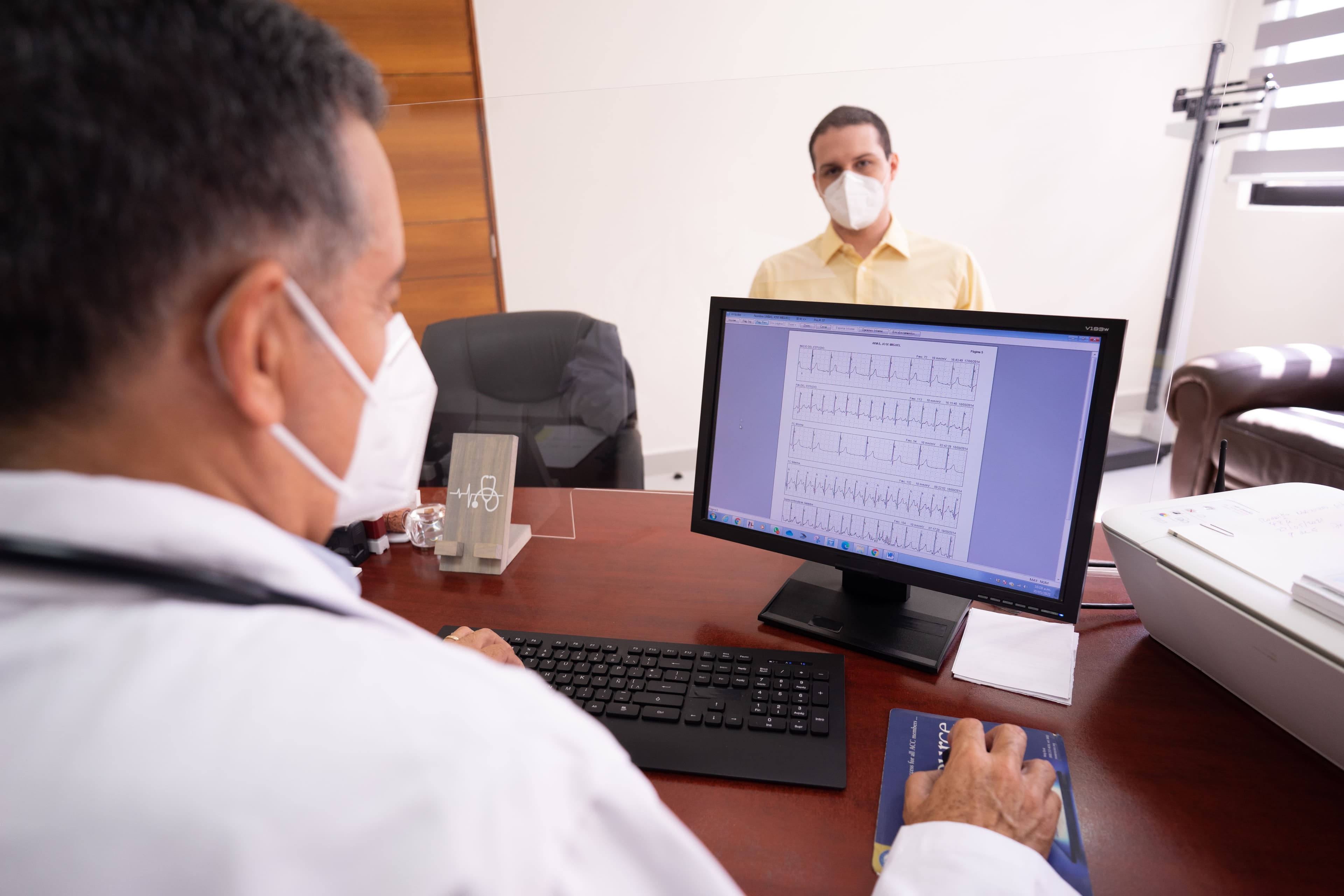
A mobile phlebotomy platform needed its field workflow connected directly to Epic so phlebotomists could see patient-specific lab orders the moment they were placed, instead of relying on faxed or manually transcribed order sheets. Observance Solutions built the FHIR-based integration layer that made that connection real, secure, and production-ready.
The Challenge
Phlebotomists working in the field previously depended on manually transcribed or faxed lab orders, which introduced delay between when an order was placed and when the field team could act on it, and left real room for transcription errors on something as consequential as a lab draw. Because the platform needed to touch real Epic data, any integration approach also had to satisfy Epic's interoperability and security review requirements before a single production order could flow through it — there was no shortcut around that process.
The Solution
We designed and built a FHIR-based integration layer between the mobile phlebotomy platform and Epic, using standard FHIR resources such as ServiceRequest, Patient, and Specimen to retrieve patient-specific lab orders in near real time and push status updates back into the record as draws were completed. The integration was built around SMART on FHIR / OAuth2 authorization patterns from day one, with structured handling for order mismatches, duplicate orders, and the edge cases that come up once a system is handling live clinical data instead of test fixtures.
Key Capabilities
- Secure OAuth2 / SMART on FHIR authentication against Epic's FHIR APIs
- Near real-time retrieval of patient-specific lab orders via FHIR ServiceRequest resources
- Bi-directional status updates so completed draws reflect back into the clinical record
- Duplicate and mismatch detection to protect order accuracy in the field
- Audit logging across the integration boundary to support compliance traceability
Business Impact
- Eliminated manual re-entry of lab orders for field phlebotomists
- Reduced the order-accuracy risk that comes with manual transcription
- Gave the platform a repeatable, standards-based integration pattern it can extend to other EHRs beyond Epic
- Strengthened the platform's standing with health systems that require FHIR-based interoperability as a condition of partnership
Related solutions
Integration & Interoperability
A standards-based healthcare data integration platform connecting EHRs, clearinghouses, labs, and pharmacies to your product - the foundation for EHR interoperability solutions and FHIR integration done right.
Mobile Phlebotomy Platform
End-to-end mobile phlebotomy software — booking, phlebotomist dispatch, specimen custody, and lab result integration.
Have a similar project in mind?
Tell us what you're building. A senior healthcare technologist — not a salesperson — will get back to you within one business day.